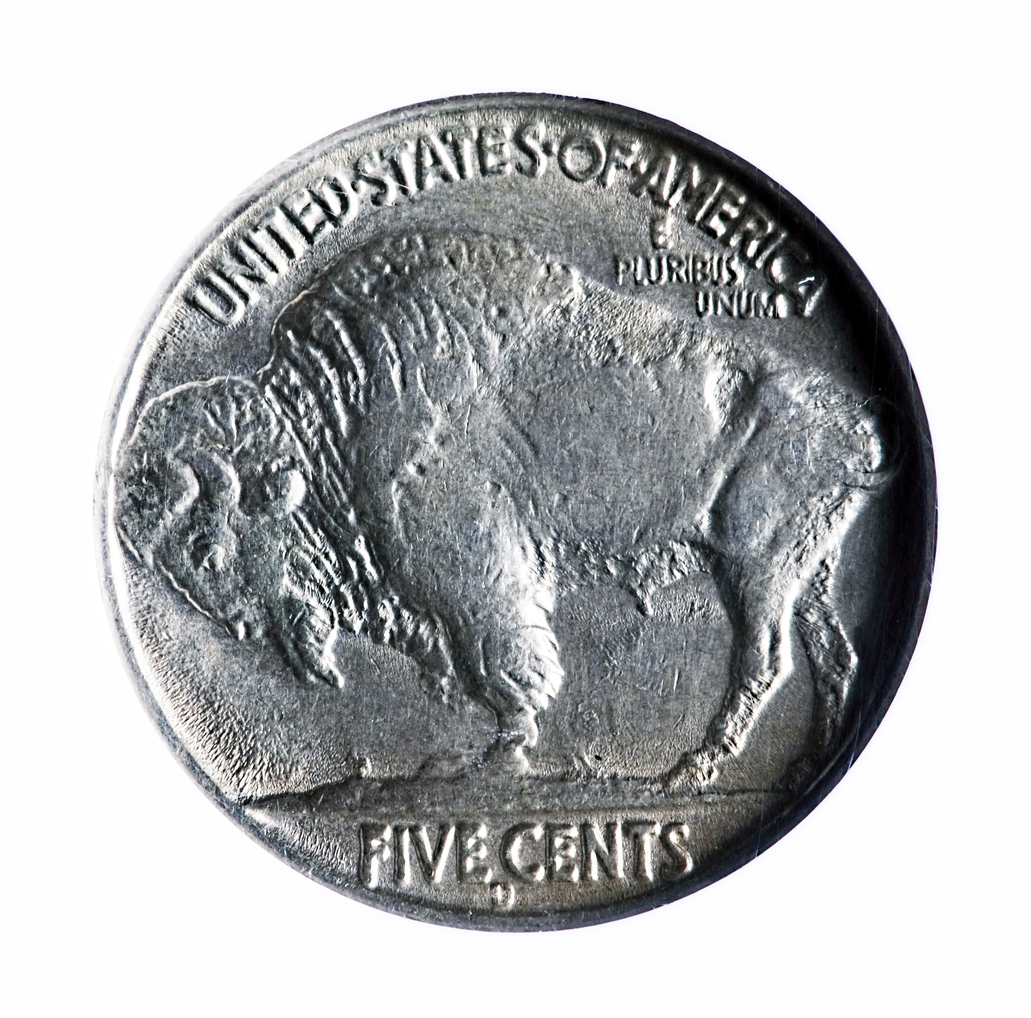
If you’ve ever dug through a jar of old coins and pulled out something that had a rugged profile on one side and a bison standing proud on the other, there’s a good chance you were holding a piece of American numismatic history. The 1937 Buffalo Nickel is one of the most recognized and collected coins in the United States, and depending on the specific variety, it could be worth a whole lot more than five cents.
A Coin With Character
The Buffalo Nickel, officially known as the Indian Head Nickel, was minted from 1913 to 1938. Designed by sculptor James Earle Fraser, the coin features a composite Native American portrait on the obverse and an American bison on the reverse. It was a bold departure from the decorative but somewhat sterile coin designs of its era, and collectors have loved it ever since.
When people ask about buffalo nickel value, the answer isn’t a simple one. Value depends heavily on mint mark, condition, and whether the coin is one of a handful of notable varieties. The 1937 issue is particularly interesting because it checks all three boxes for serious collectors.
The 1937 Mintage Breakdown
In 1937, Buffalo Nickels were produced at three mints:
- Philadelphia (no mint mark): the highest mintage of the three
- Denver (D): a solid mid-range issue
- San Francisco (S): lower mintage, making it the most scarce of the standard 1937 issues
In circulated condition, most 1937 Buffalo Nickels trade for anywhere between $1 and $5. In uncirculated (Mint State) condition, values climb quickly. A Clean MS-65 example can fetch $100-$300 depending on the mint mark, while gem specimens graded MS-66 or higher regularly sell for several hundred dollars at auction.
The Star of the Show: The 3-Legged Buffalo
No conversation about the 1937 issue would be complete without talking about one of the most famous error coins in American history. The 3 legged buffalo nickel came about at the Denver Mint when an overzealous worker used an emery stick to buff out die damage and accidentally removed the bison’s front right leg in the process.
The result? A bison that appears to be standing on just three legs, with a faint shadow where the fourth once was. It’s a dramatic-looking error, and collectors go wild for it.
In lower circulated grades (Good to Fine), a genuine 1937-D 3-legged Buffalo Nickel can sell for $500–$800. In Very Fine condition, prices jump to $1,500 or more. High-grade uncirculated examples have crossed $10,000 at major auctions. It’s not a common coin, and with so many fakes and altered coins floating around, authentication through PCGS or NGC is strongly recommended before buying or selling one.
What Should You Do If You Have One?
Start by checking the mint mark on the reverse, just below the words “FIVE CENTS.” Then assess the condition as objectively as possible. Worn flat coins are worth far less than coins with sharp detail. If you think you have a 3-legged variety, look closely at the bison’s front legs and check for that telltale missing limb.
When in doubt, take it to a reputable coin dealer or submit it to a third-party grading service. A little due diligence can go a long way, especially when a five-cent coin might actually be worth thousands.
Bring your coins to Chicago Gold Gallery to have them graded and appraised. If you’re interested in selling after hearing the value, we’re happy to pay you cash. We buy coins in any condition.